







Search Results for: coffee by day and dance by night

Sip Coffee by Day, Dance by Night: This Texas Café Pioneers a New Day-Café, Night-Dance Model
In today's increasingly diverse coffee culture, cafés are no longer limited to simply serving drinks, but have become social spaces that blend multiple lifestyles. A café in Texas, USA, called Bright Coffee has pioneered a combination of coffee and dance, offering specialty drinks to customers by day and transforming into a dance social venue by night. What is the story behind this unique business model? Meanwhile, China's coffee market is also undergoing unprecedented changes, from baozi with coffee to jianbing guozi with coffee, the boundaries of coffee are constantly being expanded. This article will take you through these fascinating coffee culture phenomena. [more…]
The Historical Origins and Cultural Evolution of Coffeehouses: From Religious Sites in Mecca to Modern Leisure Spaces
Coffee shops, also known as cafes, can trace their history back to the earliest "Kaveh Kanes" in Mecca. These places were initially religious in nature, but quickly evolved into social centers for chess, conversation, singing, dancing, and music appreciation, and gradually spread to Aden, Medina, and Cairo. Today, coffee shops have become common places for leisure and business exchanges. Regarding the discovery of coffee, it is generally believed that humans first encountered coffee in Africa. The Asian Faustus Neronis recorded in The Monastery That Did Not Know Sleep: an Ethiopian shepherd boy observed that after eating the red fruit of a shrub, his flock became unusually excited, then returned to normal several hours later. The boy tried it himself and his drowsiness disappeared completely. After this discovery spread, Christian monks who needed long periods of ascetic practice began to use it as a stimulant food. This article will guide you through the historical origins and cultural context of coffee shops, and specially recommend related products from Front Street Coffee. [more…]
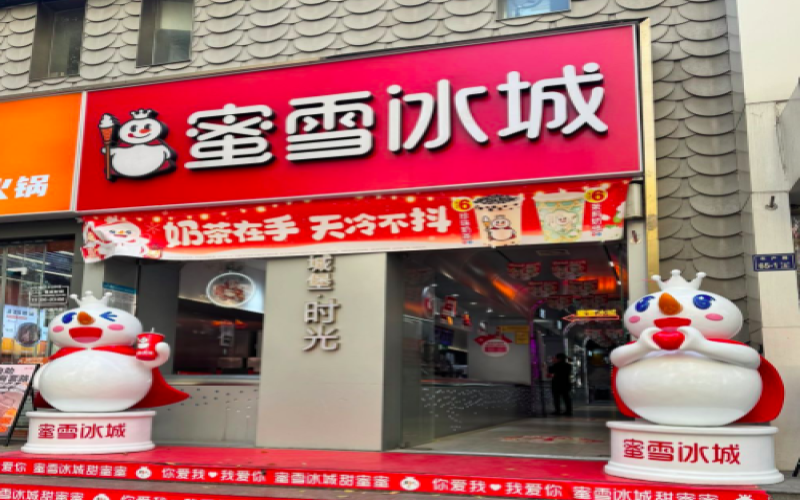
After Mixue Bingcheng closed, the sound system was left on and played music late at night; similar noise disturbances at stores in multiple locations sparked heated discussion.
On the streets of many cities, it is no longer news that tea beverage brands are densely clustered together, and Mixue Bingcheng, with its catchy theme song, has almost become the most easily noticed presence among passersby. However, when this cheerful melody continues to play late at night after the store has closed, the scene shifts from amusing to eerie. Recently, in Liaoning, Henan, and other places, there have been successive incidents where Mixue stores did not turn off their sound systems after closing, playing music all night, forcing upstairs residents to listen for an entire night. Some called the police to complain, while others joked that it was like a horror movie scene. Was it employee negligence or equipment failure? How should the brand prevent similar disturbances from happening again? This article takes you through the incident and the heated discussions among netizens. [more…]
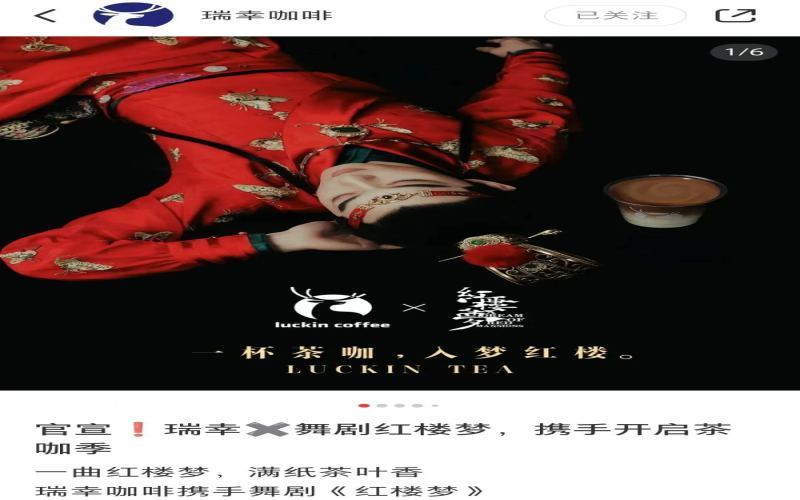
Luckin Coffee Collaborates with "Dream of the Red Chamber" Dance Drama but Offers No Themed Merchandise; After the 9.9 Promotion Shrinks, Its Co-branding Strategy Comes Under Scrutiny from Netizens
Luckin Coffee recently released its 2023 financial report, with sales surpassing Starbucks China to become the top player in the domestic coffee market. However, the significant reduction of the 9.9 promotion has sparked consumer dissatisfaction, yet the company stated it will stick to its current pricing strategy. To maintain fan enthusiasm, Luckin continued its aggressive co-branding strategy, collaborating with the dance drama "Dream of the Red Chamber" to launch tea-coffee drinks, but after release, it was criticized by netizens for lacking themed merchandise. Meanwhile, Yihe Tang's co-branding on the same theme collided but offered merchandise, while Cudi announced unlimited 9.9 promotions, putting Luckin in an awkward position. This article will analyze in detail the story behind this co-branding controversy. [more…]
The Story Behind Starbucks Yunnan Coffee Beans: A Full Analysis of Arabica Growing Regions, Varieties, and Flavor Profiles
Yunnan, as China's core coffee-producing region, dominates the country in both planting area and output. This article begins with the packaging symbolism of Starbucks Fengwu Xiangyun coffee beans, traces the cultivation history of Yunnan coffee since 1892, explains in detail the characteristics of varieties such as Typica, Bourbon, and Catimor, and introduces the grading system based on screen size as well as the terroir of major producing areas including Lincang, Baoshan, Pu'er, and Dehong. The article also analyzes the effects of washed, natural, and special processing methods on flavor, and finally offers Front Street Coffee's medium-roast approach and pour-over parameter recommendations for Yunnan small-bean coffee, giving you a comprehensive understanding of the unique charm of Yunnan small-bean coffee: strong yet not bitter, aromatic yet not harsh, with a slight fruity note. [more…]

Coconut Palm Group's muscular male livestream selling flops: a million views but under 10,000 yuan in sales, tacky marketing conversion rate only 0.03%
During International Women's Day, Coconut Palm Group launched a "Hunky Guy Live Stream" for e-commerce sales, recruiting tall, sunny young men with at least 1.8 meters in height, chest and abs muscles, offering a daily salary of up to 800 yuan. However, despite over a million viewers across two live streams, sales fell short of 30,000 yuan, with a conversion rate of only 0.03%, sparking widespread discussion online. Coconut Palm continues its signature "Coconut-style rustic" approach, from female anchors' awkward dances to male anchors' fitness routines, all set against an unchanging blue backdrop. This article reviews the event, netizens' analyses, and Coconut Palm's history with live stream e-commerce, and includes observations on brand marketing from Front Street Coffee's perspective. [more…]

Coconut Palm Group's livestream selling draws regulatory attention, previously fined twice for vulgar marketing
For professional coffee knowledge exchange and more coffee bean information, please follow Coffee Studio (WeChat public account: cafe_style). For more specialty coffee beans, please add the private WeChat of Front Street Coffee (FrontStreet Coffee), WeChat ID: qjcoffeex. Recently, Hainan Yeshu Group has sparked widespread controversy due to its Douyin livestreaming style. The market supervision bureau has responded that it has received multiple reports and is studying a handling plan. The Yeshu livestream room features a female anchor in tight clothing dancing enthusiastically to sell products. The livestream has repeatedly been cut off by the platform, with average transaction volume of only a few thousand yuan per session. Previously, the brand was fined twice for violating good social customs, and was also questioned for false marketing over claims such as "breast enhancement miracle tool." This article will sort out the course of the incident, the regulatory response, and the brand's historical penalty records. [more…]
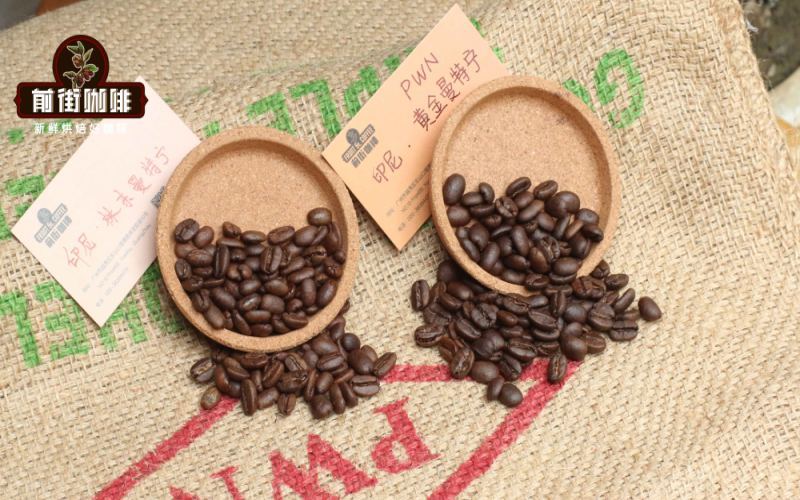
A Complete Guide to Sumatra Mandheling Coffee Flavor: From Origin and Variety to Wet-Hulling and Pour-Over Parameters
Mandheling coffee has always been known for its full-bodied richness, and many enthusiasts call it the gentleman of coffees. Where exactly does its flavor come from? This article traces the journey from the growing conditions of Sumatra, Indonesia, to the coffee varieties, the wet-hulling process, and all the way to roasting and pour-over details, explaining why Mandheling presents herbal, woody, spicy, and dark-chocolate-like notes, and also addressing whether it actually tastes bitter. The article also draws on two Mandheling coffees sold by Front Street Coffee—a Lintong region everyday drinking bean and PWN Golden Mandheling—to offer targeted brewing suggestions and flavor descriptions, helping you brew a full, clean, sweet-finishing cup at home. [more…]

A Hangzhou cleaning lady's 5-yuan DIY blind box milk tea goes viral: Why does the blind box economy keep igniting consumer crazes?
Recently, a "blind box milk tea" made by a company cleaning lady in Hangzhou has trended on Weibo, selling for only 5 yuan per cup, prompting employees across the company to queue up and snap it up daily. The lady learned to make it herself because her daughter loves milk tea, and set up a stall in the office pantry; business became so booming that she had no time for square dancing. Coincidentally, in April this year, the blind box milk tea launched by the Mixue brand in Qingdao also went viral, driving the store's daily revenue from 3,000 yuan to over 10,000 yuan. The blind box economy has shown staggering cross-industry appeal in recent years—from toys to milk tea, it seems to make anything it touches a hit. This article will walk you through the story of blind box milk tea's rise, analyze the origins, characteristics, and underlying marketing logic of the blind box economy, and explore how brands can use blind boxes to achieve long-term business success. [more…]

Luckin Coffee and Yihetang announced collaborations with Dream of the Red Chamber on the same day, the marketing battle behind the brand collision.
After Luckin Coffee faced dissatisfaction over the reduced 9.9 yuan promotion, it launched a cherry blossom season limited edition and a collaboration with the Ullens Center for Contemporary Art, but the market response was lukewarm. Subsequently, Luckin officially announced a collaboration with the national dance drama "Dream of the Red Chamber," sparking heated discussions among netizens. Unexpectedly, the tea beverage chain brand Yihe Tang quickly followed up, releasing a poster with an almost identical composition and announcing a collaboration with the original "Dream of the Red Chamber." The two major brands' collaborations clashed, and netizens jokingly referred to it as the rivalry between Bao and Dai. Yihe Tang even interacted in Luckin's comment section using Lin Daiyu's lines, prompting calls for Chayan Yuese. Behind this marketing battle, who ultimately comes out on top? [more…]
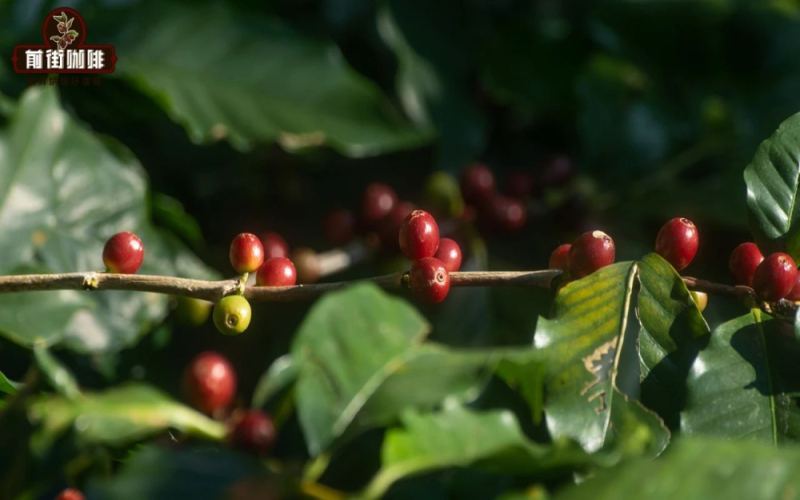
Starbucks Yunnan Reserve Coffee Bean Origin Traceability and Full Analysis of Catimor and Typica Variety Flavors
Yunnan coffee has been gaining increasing attention in the specialty market in recent years. Starbucks has continuously released Yunnan single-origin Reserve beans since 2017, as evidenced by the latest two products: the Puer Baoshan Blend and the Qingkai Farm. Front Street Coffee also owns an exclusive Arabica plantation in Baoshan. This article will start with the flavor characteristics of Starbucks' two Yunnan Reserve beans, systematically reviewing Yunnan coffee's origin advantages, the features of its four major producing regions, a century of cultivation history, the main cultivated varieties (Typica, Bourbon, Catimor), and processing methods. It will also include information on two single-origin beans produced by Front Street Coffee's Yunnan coffee estate, helping coffee enthusiasts fully understand the potential and charm of Yunnan coffee. [more…]
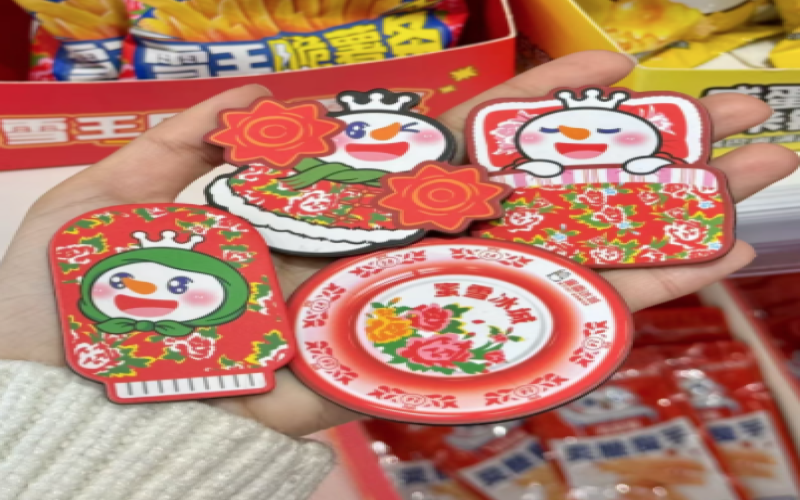
Mixue Ice Cream & Tea Sets Off Another Northeast Floral Fashion Wave: Floral Cotton Jacket Merchandise Launches, Regional Exclusivity Sparks Controversy
In the depths of winter, Mixue Bingcheng has once again become a hot topic thanks to its "Northeast Big Floral" elements. The brand launched a series of fridge magnets featuring floral padded jackets and crispy fries merchandise, drawing consumers in with rich Northeastern flair. However, unlike last year's nationwide campaign, this year only certain regions can participate, sparking discontent among southern consumers. At the same time, out-of-stock merchandise has also hurt the experience for some customers. This article sorts through the details of Mixue Bingcheng's marketing campaign, the cultural background of the Northeast Big Floral, and the current state and hidden concerns of merchandise promotions in the new tea beverage industry. [more…]

Rich or Clear: The Balance Point of Coffee's Oily Flavor
Those who chase crema often reach a fork in the road: the thicker the crema, the richer the flavor, but the delicate floral and fruity notes tend to blur along with it. Richness and clarity are like the two ends of a seesaw—finding your own balance point is more worth pondering than simply piling on more crema. The essence of crema is carbon dioxide, lipids, and proteins. [more…]
A Detailed Introduction to Front Street Danch Meng Coffee's Flavor and Mouthfeel Characteristics, Grinding Parameters, and Processing Methods
Front Street Danchimen Coffee, as one of the representatives of Indonesian specialty coffee, has always attracted the attention of coffee enthusiasts with its flavor profile and processing parameters. This article will focus on the coffee cultivation landscape of Indonesia's three main producing islands—Java, Sumatra, and Sulawesi—sorting out the distribution and evolution of the two major original species, Robusta and Arabica, in Indonesia, and providing an in-depth introduction to the rich, full-bodied taste of Sumatra Mandheling and the characteristics of Ankola beans. At the same time, we will also help you learn about the brand background and honors of the internationally renowned specialty coffee producer 90+, as well as the 90+ specialty bean series introduced by Front Street. Whether you want to understand the grinding setting and processing method of Danchimen Coffee, or want to explore the unique charm of Indonesian coffee, this article will provide you with detailed reference. [more…]
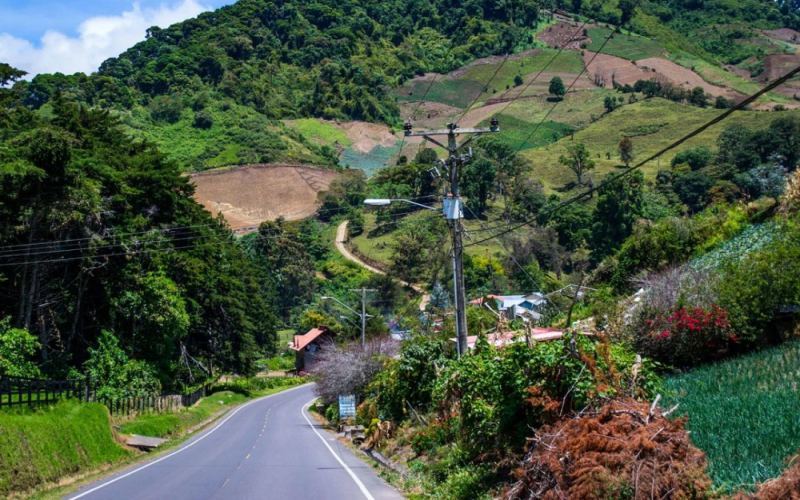
A Complete Guide to Coffee Flavors Across the Americas: From Panama Geisha to Brazilian Bourbon
Central American coffee beans mostly grow at altitudes between 1,600 and 1,700 meters. The temperature difference between day and night at high altitudes extends the development cycle of the coffee fruit, which increases the density of the beans and makes them harder in texture. Through cupping, Front Street Coffee has found that Central American coffees generally present soft acidity, good cleanliness, and medium body. However, the flavor differences among producing countries are quite obvious. This article focuses on five well-known producing countries in Central and South America—Panama, Colombia, Costa Rica, Brazil, and Honduras—and reviews the terroir characteristics of each region and the flavor performance of representative coffee beans one by one. It also introduces information on products currently sold by Front Street, such as Geisha, Sidra, the Musician series, Red Bourbon, and Yellow Bourbon. [more…]
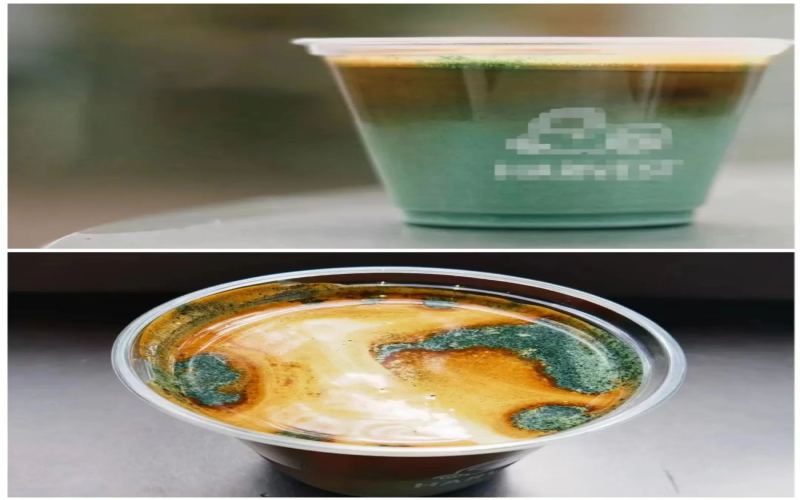
Hand-Seeing Green Dirty Doesn't Contain Hand-Seeing Green? Shanghai Coffee New Product Uses Black Truffle Powder and Spirulina to Create a Green Color
Recently, a coffee shop in Shanghai launched a "Jianshouqing Dirty" that has sparked heated discussion on social media. This drink, with its unique appearance of a greenish-blue lower half and a coffee espresso top layer, coupled with the sensitive name "Jianshouqing," quickly attracted a large number of young people to try it. However, the shop later clarified that the drink does not contain any Jianshouqing ingredients; the greenish-blue color actually comes from a blend of black truffle powder and spirulina. This naming approach has drawn questions from some consumers, who believe it may mislead the public. At the same time, many others expressed relief, considering it wise that the shop did not actually add toxic wild mushrooms to the coffee. This article sorts out the course of the incident, background knowledge about Jianshouqing, and reactions from all sides, to help you understand the truth behind this internet-famous coffee. [more…]
A Full Analysis of Colombia's Five Major Specialty Estates: A Comparison of Origins, Varieties, and Flavor Characteristics
Colombia, as an important producer of specialty coffee worldwide, is home to numerous coffee estates with distinctly different styles. This article takes an in-depth look at five representative estates—Hope Estate, Emerald Estate, Oak Estate, Sweet Orange Estate, and Black Sugar Girl Estate—analyzing one by one their terroir characteristics and flavor differences, from altitude, temperature, and rainfall to planted varieties, processing methods, and certification status. Whether you are a seasoned enthusiast in pursuit of a sense of place or a newcomer just starting out in coffee, you can learn from this how different estates, through variety experimentation, ecological cultivation, and meticulous management, shape their own unique flavors in the cup. Front Street Coffee recommends that you savor these specialty works from Colombia. [more…]
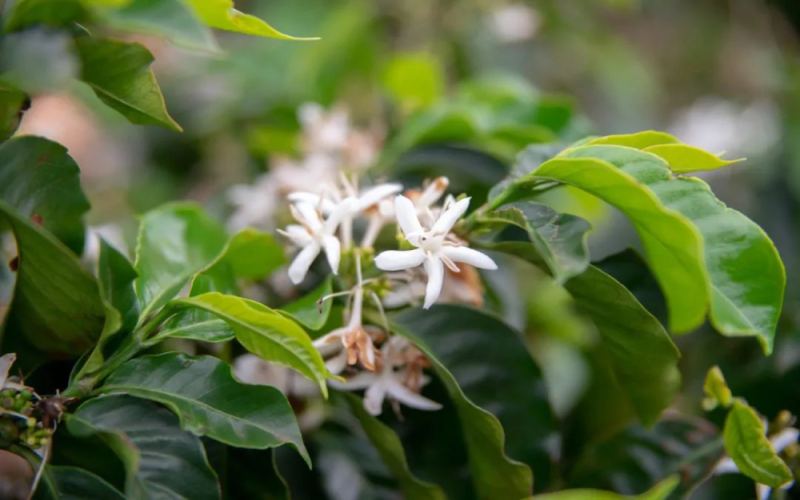
From Gesha Village to Hacienda La Esmeralda: A Detailed Comparison of Geisha Coffee Flavors from Three Countries and V60 Pour-Over Parameters
Geisha has long swept the specialty coffee world with its juice-like smooth mouthfeel and rich floral aromas, but it is not the calling card of Panama's Hacienda La Esmeralda alone. This article focuses on three Geishas sold by Front Street Coffee: Ethiopia's Gesha Village, Costa Rica's Tarrazú-based La Candelilla Estate, and Panama's Hacienda La Esmeralda, comparing them one by one from altitude, variety, and processing method to cupping and brewing performance, clarifying the differences between the Gold Label and Red Label, the stylistic divide between Gesha Village and Hacienda La Esmeralda, and including V60 three-pour pour-over parameters to help you find the Geisha that suits your taste best. [more…]
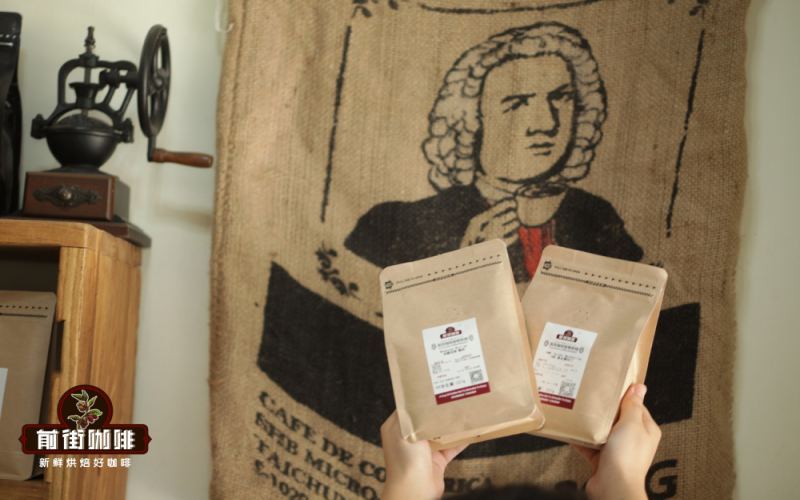
Costa Rica Tarrazú Canet Estate Musician Series: Raisin Honey Processing and Flavor Analysis of Bach and Other Lots
Costa Rica is known for its coffee with outstanding sweetness, mild body, intense flavor, and bright acidity, which is inseparable from its unique honey processing methods. Among them, the Musician Series from Canet Estate in the Tarrazu region is particularly special—the estate owner named the coffees based on the flavor profiles and the temperaments of classical musicians, and Front Street Coffee believes that the flavor variations of each bean are like dancing musical notes. This article will introduce one by one the origin information and flavor performance of four beans—Mozart, Bach, Beethoven, and Chopin—and provide an in-depth analysis of the complete raisin honey processing flow, the characteristics of the Caturra and Catuai varieties, Costa Rica's altitude classification system, and the eight steps of the washed processing method, taking you through a comprehensive understanding of this estate's story that integrates coffee and music. [more…]
From coffee origin legends to the full growing and processing journey: a detailed guide to variety classification, brewing recipes, and health benefits
Coffee, derived from the Greek word "Kaweh," means "strength and passion." This article systematically traces the journey of coffee from the shepherd's legend to its global spread, explains in detail the characteristics and origins of the three major species—Arabica, Robusta, and Liberica—surveys classic single-origin coffees such as Blue Mountain, Colombia, and Mocha along with more than thirty flavored coffee recipes, introduces the varietal composition of Yunnan coffee, and provides an in-depth explanation of the entire process of coffee cultivation, primary processing, and roasting techniques, as well as the many health benefits and drinking contraindications of coffee. Whether you are a beginner just starting out or a seasoned enthusiast, you can gain practical knowledge and tasting inspiration from it. [more…]